
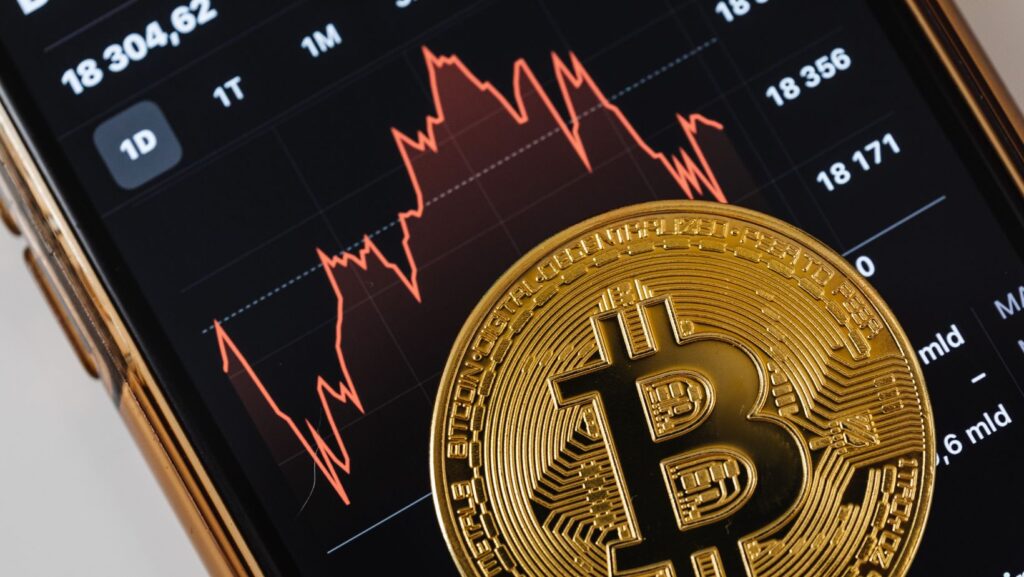
The global cryptocurrency market continues to expand, gradually transforming from a niche technological movement into a fully developed financial sector. Digital assets are now traded across continents, integrated into payment solutions, and increasingly discussed within regulatory and institutional frameworks. As the ecosystem grows more sophisticated, the infrastructure supporting crypto trading is also evolving. Among the emerging models attracting significant attention is the P2P exchange, which offers a fundamentally different approach to digital asset transactions.
A P2P exchange operates on the principle of direct interaction between users. Instead of functioning as a centralized counterparty for every transaction, the platform acts as a digital marketplace that connects buyers and sellers. Participants can publish offers, set prices, choose payment methods, and negotiate conditions directly with each other. The platform itself provides the technological infrastructure that facilitates these interactions while ensuring that the process remains secure and transparent.
One of the key mechanisms that supports the functioning of a P2P exchange is escrow protection. When a trade begins, the cryptocurrency involved in the transaction is temporarily locked within the platform until the agreed payment has been confirmed. This system significantly reduces the risk of fraud and ensures that both parties fulfill their obligations before the asset is released. Escrow therefore plays a critical role in building trust within peer-to-peer trading environments.
Another defining advantage of the P2P exchange model is its operational flexibility. Traditional exchanges often rely on a limited number of payment processors or banking channels, which can create barriers for users in certain regions. In contrast, peer-to-peer platforms typically allow a wide variety of payment options, including bank transfers, mobile payment services, digital wallets, and region-specific financial tools. This flexibility has made the model particularly attractive in markets where financial infrastructure varies significantly.

The increasing popularity of the P2P exchange approach also reflects changing user expectations within the digital finance landscape. Many traders are seeking greater transparency and control over their transactions. Instead of relying exclusively on automated matching engines, they value the ability to evaluate offers, communicate directly with counterparties, and choose trading conditions that best suit their needs.
At the same time, regulatory developments are gradually shaping the evolution of peer-to-peer trading platforms. As governments introduce clearer legal frameworks for digital assets, many services are integrating compliance mechanisms such as identity verification procedures, transaction monitoring tools, and structured dispute resolution systems. These features demonstrate that a P2P exchange can operate within modern financial regulations while still preserving the flexibility that attracts users.
For newcomers entering the cryptocurrency space, peer-to-peer platforms often provide a more approachable starting point than complex professional exchanges. The user interface typically resembles an online marketplace where participants browse offers and complete transactions through a structured process. This simplicity lowers the barrier to entry and helps expand participation in digital asset markets.
Meanwhile, experienced traders appreciate the strategic opportunities created by the P2P exchange model. Direct negotiation allows them to explore regional price differences, access alternative liquidity sources, and structure trades that may not be available through conventional exchange mechanisms.
As the digital asset economy continues to mature, peer-to-peer trading infrastructure is likely to remain a crucial component of the industry. By combining technological safeguards with flexible user interaction, the P2P exchange illustrates how cryptocurrency markets are adapting to the needs of a globally connected financial environment.